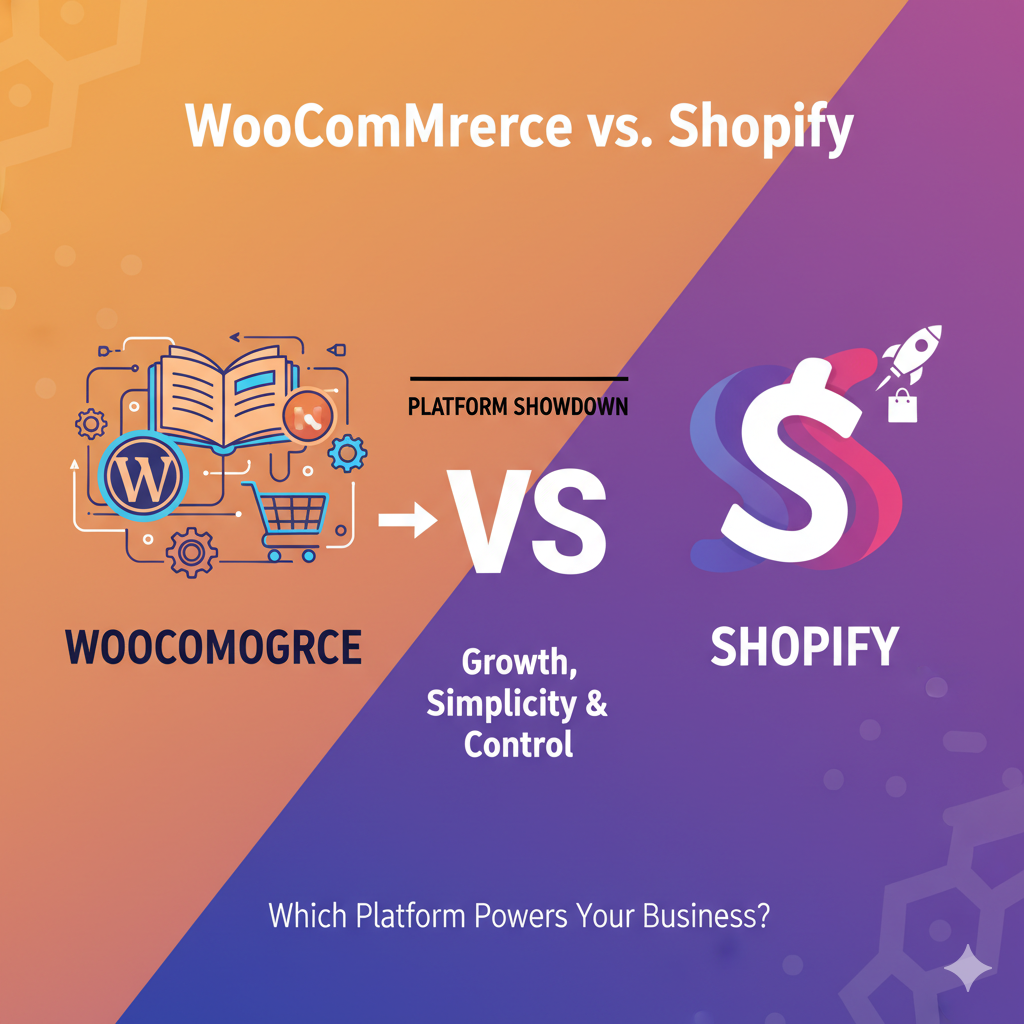

WooCommerce vs Shopify is one of the most common platform comparisons in ecommerce. On the surface, both can power an online store, support payments, manage products, and integrate with marketing tools. But as brands grow, the differences become much more important.
The real comparison is not just feature versus feature. It is operating model versus operating model. WooCommerce offers flexibility through WordPress and plugins. Shopify offers a more controlled, commerce-first ecosystem built for speed, simplicity, and scale. For some brands, WooCommerce remains a good fit. For others, moving from WooCommerce to Shopify becomes the obvious next step.
What you gain with Shopify
The biggest gain is operational simplicity. Shopify reduces the burden of hosting, updates, plugin conflicts, and infrastructure decisions. For lean teams, that matters a lot.
You also gain a more consistent ecommerce experience. Shopify is designed around commerce workflows first. Product management, promotions, checkout, inventory visibility, and app integrations tend to feel more cohesive.
Another gain is reliability. WooCommerce performance can vary significantly depending on hosting quality, plugin load, caching, and maintenance discipline. Shopify gives brands a more predictable baseline for speed and uptime.
You also gain faster execution. Teams can often launch campaigns, update merchandising, add sales channels, and test ideas faster with Shopify than with a heavily customized WooCommerce setup.
Checkout is another major area. Shopify’s checkout experience is one of the platform’s biggest strengths, especially for brands focused on conversion.
What you may lose with Shopify
The biggest perceived loss is control. WooCommerce gives developers deep access because it is open and WordPress-based. Some teams value that flexibility.
You may also lose certain highly specific custom workflows if they were built deeply into a WooCommerce stack. Recreating them on Shopify may require different patterns, apps, or custom app development.
There can also be differences in content flexibility depending on how your WordPress environment was structured. If content marketing is central to your business, planning the CMS transition carefully matters.
Finally, some teams need to adjust to Shopify’s opinionated model. That structure is often a benefit, but it can feel limiting if you are used to open-ended customization.
When WooCommerce still makes sense
WooCommerce can still work well for smaller businesses, content-led brands with straightforward commerce needs, or teams with strong WordPress expertise and low operational complexity.
When Shopify becomes the better choice
Shopify is often the better choice when growth creates operational stress. If plugin maintenance is constant, page speed is inconsistent, updates break workflows, or launch velocity is slowing, Shopify usually offers a stronger path forward.
Final thoughts
In the WooCommerce vs Shopify debate, the best choice depends on what your business needs most: maximum flexibility or faster, simpler execution. For many scaling brands, Shopify wins because it helps the team do more with less friction.