
Introduction: the architecture dilemma
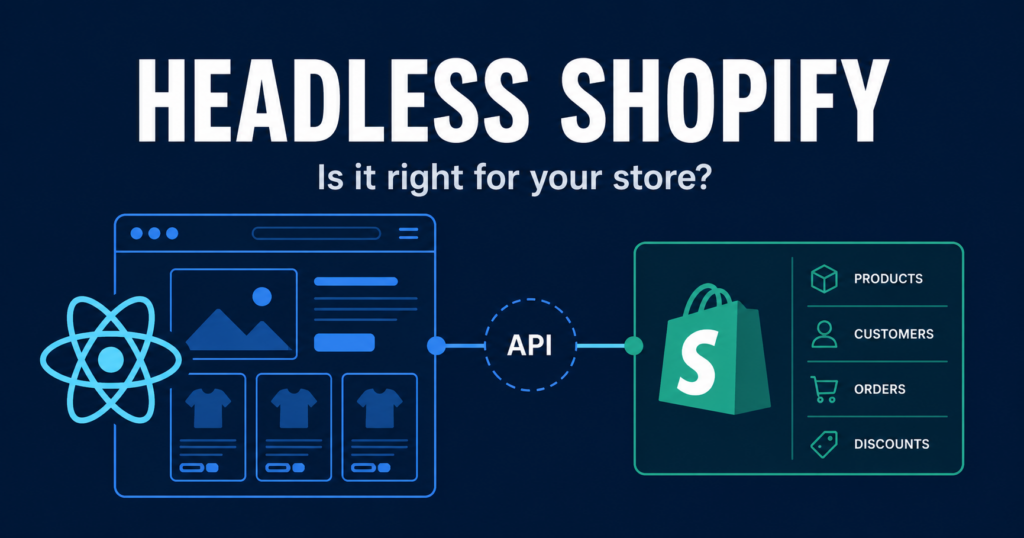
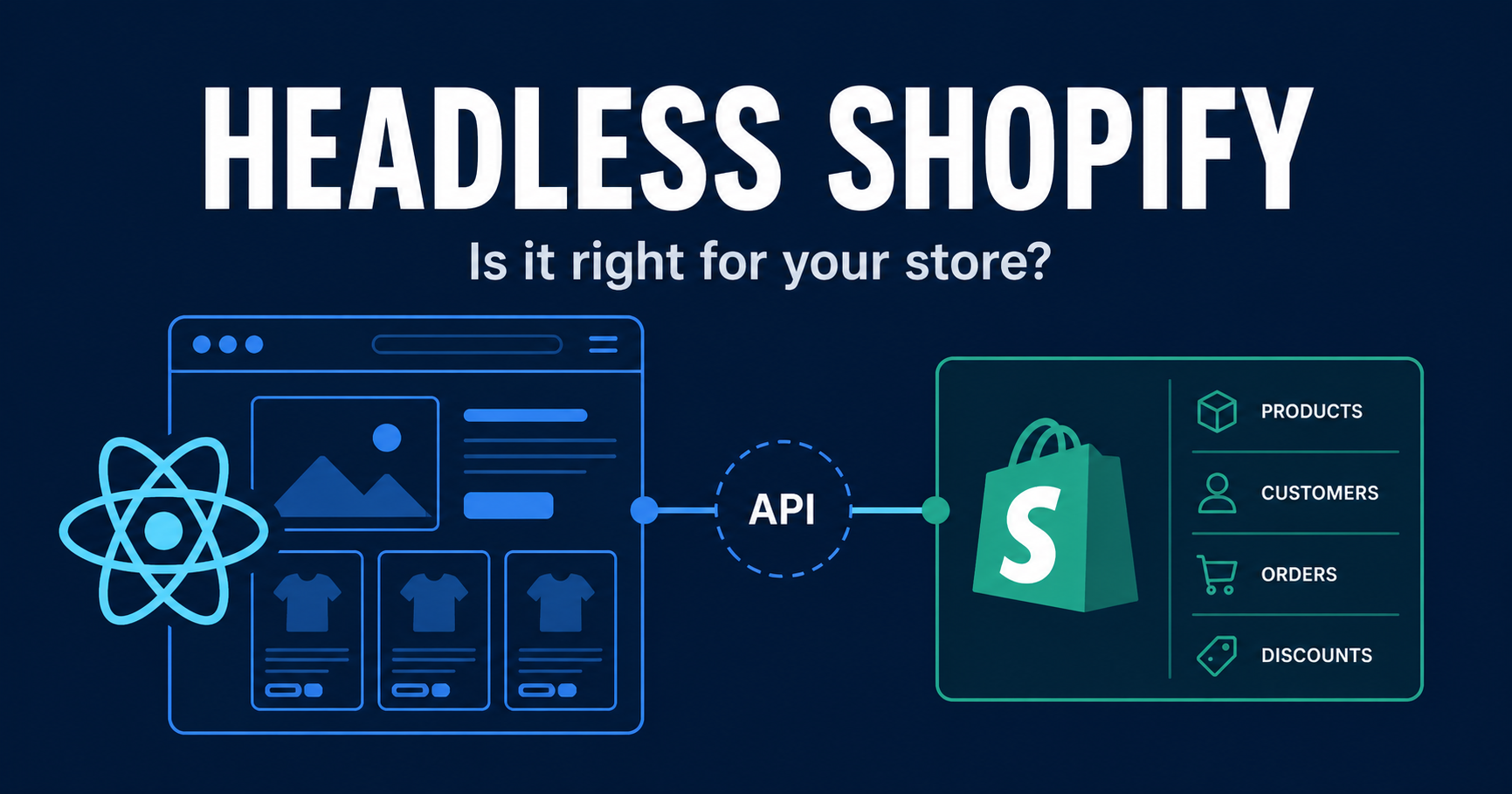
Headless commerce means the frontend of your ecommerce store is separated from the backend system that manages products, inventory, checkout, payments, and orders. In a Shopify setup, Shopify still handles the commerce engine, but the storefront can be built with a custom framework such as Shopify Hydrogen, Next.js, or another React-based frontend.
In 2026, a lot of growing Shopify brands are asking the same question: should we go headless? It sounds modern, flexible, and future-proof. It also sounds like the kind of architecture serious ecommerce brands should use. But that is not always true.
The honest answer is that most brands do not need headless Shopify yet. Many stores can get better results by improving their existing theme, removing app bloat, restructuring product pages, improving Core Web Vitals, and using Shopify’s native content tools more intelligently. Headless becomes the right move when the business has a clear reason that cannot be solved well inside a theme.
That reason might be a custom product configurator, an editorial shopping experience, strict mobile performance targets, multiple storefronts sharing one backend, or a need to expose cleaner product data to AI shopping agents. Without a specific reason, headless can become an expensive rebuild that makes day-to-day marketing harder.
What is headless commerce?
Headless commerce is an ecommerce architecture where the frontend storefront is decoupled from the backend commerce platform. The frontend can be built with React, Hydrogen, Next.js, a mobile app, or another interface, while the backend handles products, inventory, checkout, payments, customer data, and orders through APIs.
A simple way to understand it is this: Shopify is the engine, and your storefront is the car body. A traditional Shopify theme gives you a complete car body already connected to the engine. Headless lets you design a custom body, dashboard, and driving experience while still relying on Shopify’s commerce engine underneath.
With headless Shopify, the custom storefront communicates with Shopify using the Storefront API, usually through GraphQL. A customer lands on a page, the frontend requests product or collection data, Shopify returns structured data, and the frontend renders the experience. Checkout can still be powered by Shopify.
This is powerful because the frontend is no longer limited to Liquid templates. Developers can build custom product pages, advanced navigation, editorial modules, interactive guides, app-like flows, or multi-brand storefront systems. But it also means the frontend becomes custom software that needs to be designed, built, hosted, tested, and maintained.
How traditional Shopify themes work
Traditional Shopify storefronts use Liquid, Shopify’s templating language. Liquid renders server-side HTML from theme files, product data, metafields, sections, blocks, and app embeds. For many merchants, this is not a weakness. It is the reason Shopify is practical.
Online Store 2.0 made Shopify themes much more flexible. Merchants can use sections across templates, create reusable content blocks, add metafields and metaobjects, and manage many page changes without asking a developer. App blocks also make many app integrations easier to manage inside the theme editor.
This matters because ecommerce teams move fast. Marketers need to launch campaigns. Merchandisers need to update product content. Founders need to test offers. A theme-first store lets non-technical users make many changes directly in Shopify.
The limitation appears when the brand outgrows the theme model. If the product page needs to behave more like a software interface than a product template, Liquid can feel restrictive. If the store depends on a custom content-commerce experience, the theme editor may not provide enough control. If performance is blocked by third-party scripts and theme complexity, the team may need a cleaner architecture.
How headless Shopify works
In a headless Shopify setup, Shopify becomes the backend commerce system. The frontend becomes a separate application. That application can be built with Hydrogen, Shopify’s official React framework for headless storefronts, or another framework such as Next.js.
The data flow looks like this:
Customer action -> React component -> Storefront API request -> Shopify backend -> API response -> rendered storefront.
Hydrogen is designed specifically for Shopify commerce. It gives developers patterns for product pages, carts, server-side rendering, Storefront API queries, customer account flows, and Shopify-specific commerce utilities. Oxygen is Shopify’s hosting platform for Hydrogen storefronts, giving teams a Shopify-native deployment path.
This setup gives developers more control over rendering, caching, schema markup, route structure, image handling, and third-party scripts. It also gives brands more freedom to create experiences that do not fit into standard theme sections.
Benefits of going headless
The first benefit is performance potential. A well-built Hydrogen storefront can reduce unnecessary JavaScript, control image loading, manage caching more precisely, and avoid some of the script bloat that slows down app-heavy themes. This does not mean every headless store is fast. It means the team has more control over the conditions that make a store fast.
The second benefit is design freedom. Headless is useful when the store experience is a brand differentiator. Think product builders, interactive fit guides, editorial PDPs, custom collection journeys, advanced filtering, or landing pages that behave more like applications than templates.
The third benefit is AI commerce readiness. AI shopping assistants, answer engines, and product recommendation systems need structured product data. A headless build gives developers stronger control over JSON-LD, schema, clean product data, and API-readable page structures.
The fourth benefit is omnichannel flexibility. The same Shopify backend can feed a website, mobile app, kiosk, AR experience, B2B portal, or other interface. This matters when commerce extends beyond one online storefront.
The real costs of headless Shopify
Headless is not expensive because Hydrogen has a license fee. The expensive part is the custom software work. A serious headless build can include UX strategy, frontend development, CMS integration, search, subscriptions, loyalty, analytics, SEO migration, QA, and ongoing maintenance.
For larger brands, headless builds can easily reach six figures. Enterprise composable builds can cost significantly more, especially when multiple systems need to work together. Even after launch, the brand needs developers who understand React, Shopify APIs, performance, and deployment.
App compatibility is another major cost. Many Shopify apps are built for Liquid themes. Review widgets, loyalty apps, subscription tools, bundles, and personalization apps may not work out of the box in a headless storefront. Some offer APIs. Some need custom integration. Some may need to be replaced.
Marketing workflow also changes. In a theme-first store, marketers use the Shopify theme editor. In a headless store, content may live in a CMS, and layout changes may need developer support unless the system is intentionally built with visual editing.
Decision filter: choose Liquid or headless?
| Choose Liquid / OS 2.0 if… | Choose headless if… |
| You need to launch quickly. | You need a custom buying experience. |
| Your team is mostly non-technical. | You have React or Hydrogen development support. |
| Your store has standard ecommerce UX. | Your product page needs custom logic. |
| Apps and a premium theme meet most needs. | Theme limitations are blocking revenue. |
| Marketers must edit pages daily. | You can support a CMS or developer workflow. |
| You want predictable maintenance. | You can justify the rebuild with ROI. |
The safest rule is to choose the least complex architecture that can achieve the business goal. If a better theme, app cleanup, and stronger content model solve the problem, stay theme-first. Choose headless when the requirement is specific, valuable, and difficult to solve inside Liquid.
Final recommendation
Headless Shopify is right for brands that need control more than convenience. It is not automatically better than Liquid, and it is not a shortcut to growth. It is an architecture decision that should be tied to performance, UX, operations, or channel strategy.
If your store is under heavy app bloat, start with a performance audit. If your team cannot launch campaigns without developers, think carefully before removing the theme editor. If your customer experience is genuinely limited by themes, headless may be the right next step.
Internal links
Read next: Shopify Hydrogen + Oxygen Developer Guide 2026 (/blog/shopify-hydrogen-oxygen-guide-2026), Headless vs Theme-First: Speed, Cost, and Trade-offs (/blog/headless-vs-theme-shopify-comparison), and OS 2.0 vs Headless: Decision Framework (/blog/shopify-os2-vs-headless-decision-framework).
FAQ
What is the difference between Hydrogen and Oxygen?
Hydrogen is Shopify’s React framework for building a custom headless storefront. Oxygen is Shopify’s hosting platform for deploying Hydrogen storefronts. Hydrogen is the code framework; Oxygen is where the storefront runs.
Is headless Shopify free?
Hydrogen is open source and Oxygen may be included depending on the Shopify plan, but headless Shopify is not truly free. The main cost is strategy, design, development, integrations, QA, and maintenance.
Does headless Shopify work with Shopify apps?
Some apps work through APIs, but many Shopify apps are built for Liquid themes. Before going headless, audit every critical app and confirm whether it supports headless integration.
How long does a headless Shopify build take?
A focused Hydrogen build can take 6 to 8 weeks when scope is clear. Larger composable builds with CMS, search, subscriptions, loyalty, and multiple markets can take several months.
What is Storefront MCP?
Storefront MCP is an emerging way for AI agents to access live storefront or catalog data. For merchants, it matters because AI shopping assistants need structured product data to recommend products accurately.
Can I migrate from Liquid to Hydrogen gradually?
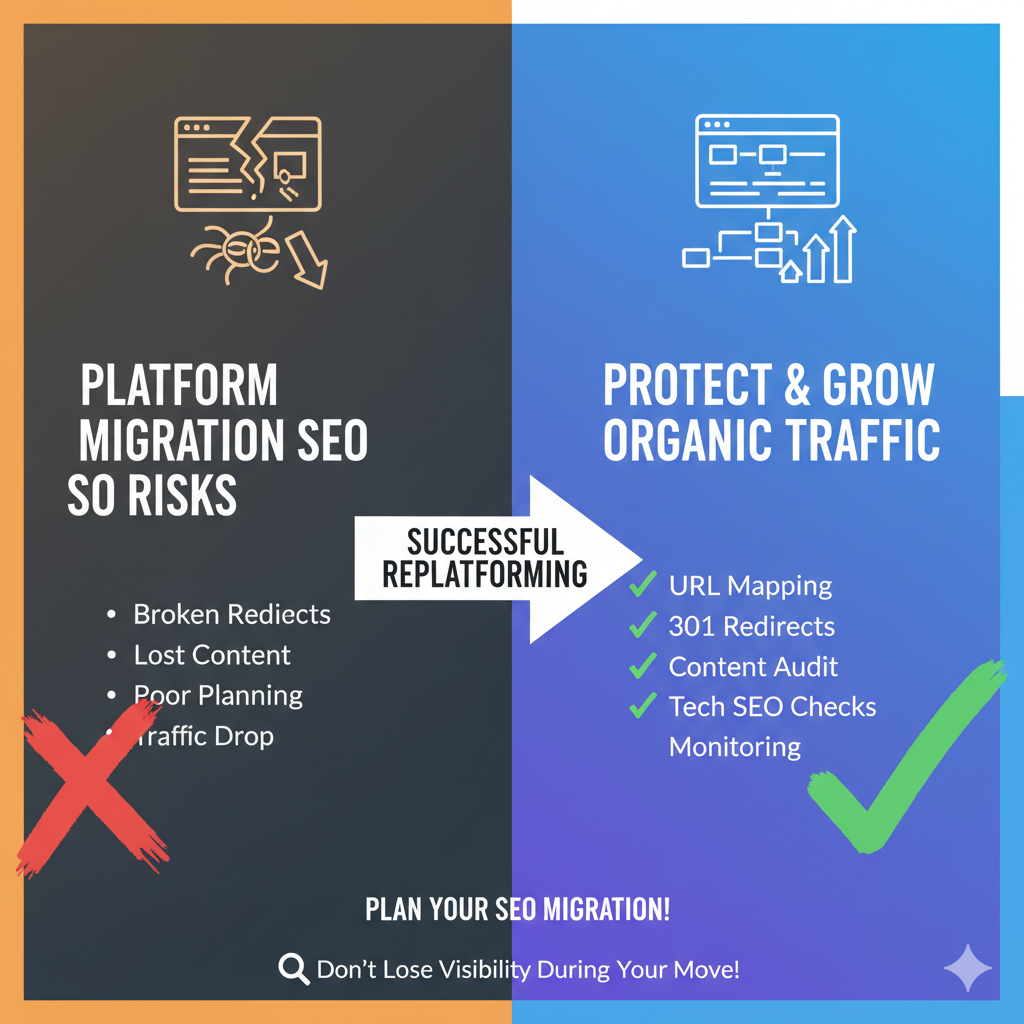
Yes. Many brands start with a hybrid path, keeping most of the store on Liquid while rebuilding high-value pages or experiences in Hydrogen.