Shopify Apps, WordPress Plugins & AI Solutions
AI-Powered eCommerce Solutions
To Scale Smarter.
13+ years of development experience behind every product we ship. We build scalable Shopify apps, WooCommerce plugins, and AI tools for merchants worldwide.
Our Services
Shopify apps, WooCommerce plugins, AI agents, SaaS products — we build the software that powers modern businesses.
Shopify App Development
Custom public and private Shopify apps built with REST and GraphQL APIs. Hydrogen storefronts, Shopify Functions, and App Store listing support.
WooCommerce Plugin Development
Premium WooCommerce plugins and headless storefronts with Next.js. Custom checkout, payment gateways, and conversion-optimized design.
AI Agent Development
Custom AI agents and assistants powered by OpenAI, Anthropic, and open-source models. Automate workflows, support, and data analysis with cutting-edge AI.
SaaS Product Development
End-to-end SaaS engineering from concept to launch. Authentication, subscription billing, dashboards, and public APIs built for scale.
Vibe Coding & MVP Development
Rapid prototyping and fast iteration. Ship your MVP in weeks, not months. Perfect for validating ideas before full investment.
Code Audit & Review
Deep codebase analysis for performance, security, and maintainability. Get actionable recommendations to improve your existing software.
Latest Posts
Tutorials, case studies, and best practices for Shopify, WooCommerce, WordPress plugins, and SaaS development.
Shopify Hydrogen + Oxygen: Developer Guide 2026
Introduction Hydrogen has matured into a serious production framework for Shopify headless builds. In the early days, many developers preferred...
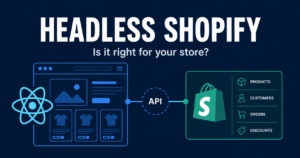
Headless Shopify Explained: Is It Right for You?
Introduction: the architecture dilemma Headless commerce means the frontend of your ecommerce store is separated from the backend system that...
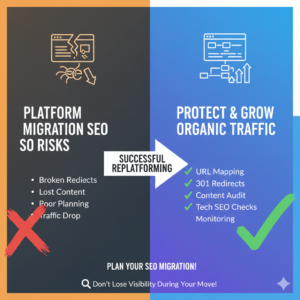
Protecting SEO Rankings During a Platform Migration
A platform migration can improve ecommerce performance, but it can also damage organic visibility if SEO is treated as a...
Results that speak for themselves.
See how Invizo helps teams ship faster, convert better, and scale with confidence.
Invizo built our custom Shopify app in under 6 weeks — our previous agency estimated 4 months. The app processes 50,000+ API calls daily with zero downtime, and our merchants saw a 23% increase in repeat purchases within the first quarter.
We partnered with Invizo to rebuild our WooCommerce storefront as a headless Next.js experience. Load times dropped from 4.2s to 0.8s, and conversion rate improved by 34% in the first month. Their type-safe API layer caught issues we would have missed in production.
Invizo developed our SaaS platform from scratch — auth, subscription billing, dashboard, and public API. MVP shipped in 10 weeks, and we hit $50K MRR within 6 months of launch. The WordPress plugin integration worked flawlessly on day one.
Ready to build something that converts?
Whether you need a Shopify app, a WordPress plugin, or a full SaaS platform — Invizo delivers. Book a free consultation and let's talk about your project.
Book your free consultation